One team member. Built like a system.
You met Llev on the home page, one senior team member in your Slack. Here’s what’s under the hood: the surface you talk to, the skills and models he thinks with, the memory he reasons on, and the controls that keep him in check.




He lives where you already work.
No new app to learn, no separate window to babysit. Llev shows up as a teammate in the tools your team already opens every day, and the same Llev is reachable everywhere at once.
 Slack
Slack Microsoft Teams
 Email
Email Lleverage platform
Skills that already work, on the best models.
Llev arrives pre-loaded with battle-tested skills for real jobs, not a blank prompt. Underneath, he runs on frontier models with automatic failover, so he picks the right brain for the task and never goes dark when one provider does.
Pre-built skills
Models, with failover
 Opus 4.8
 GPT-5.5
 Gemini 3.5
A brain that grows with you.
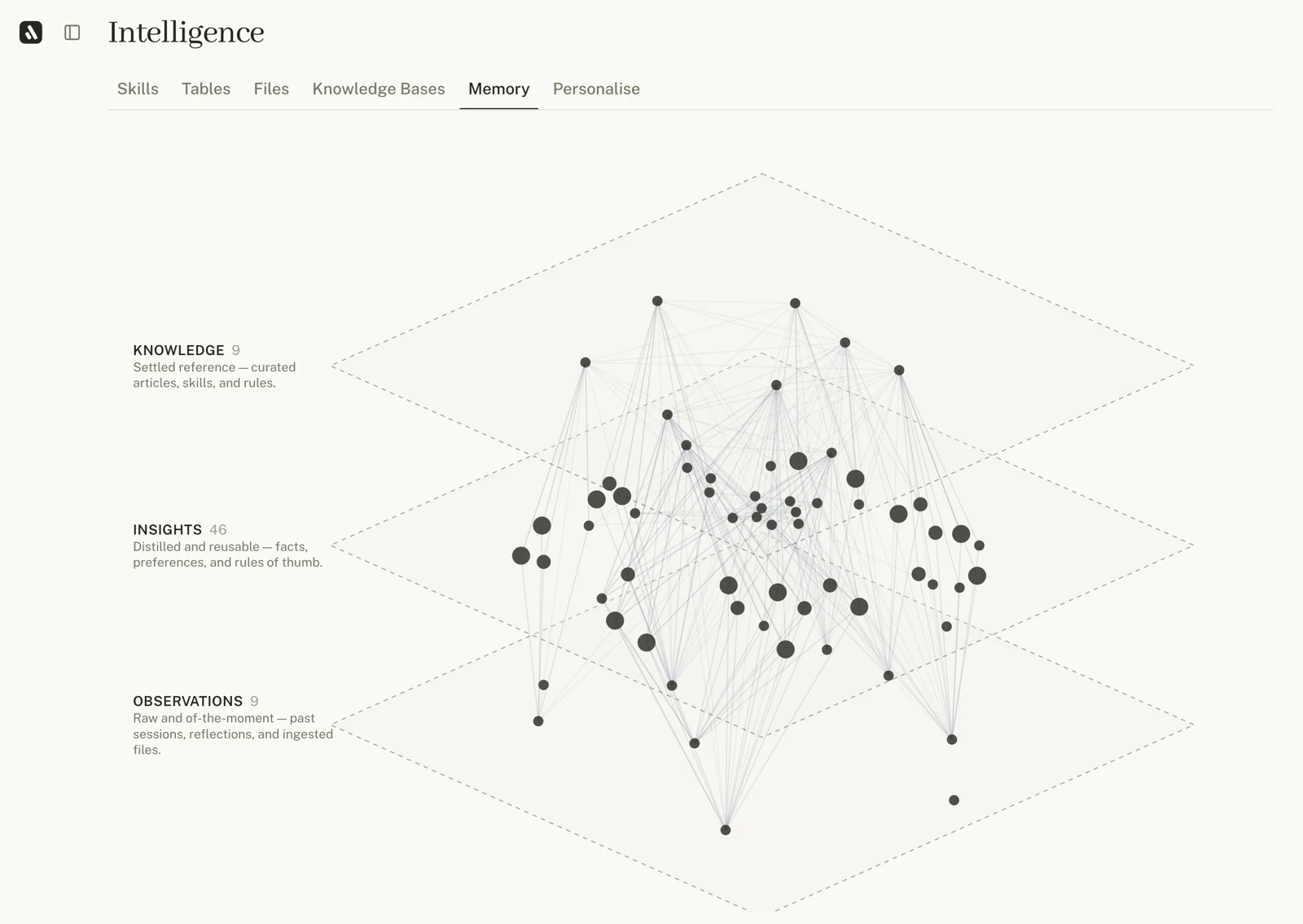
Llev’s memory is proprietary to Lleverage, short-term for the task in hand, long-term for everything he’s learned about your business. It’s graph-based, so he connects people, tools and decisions the way a real colleague would. Every memory is inspectable.
You stay in charge.
A senior hire with real access has to be controllable. Connect the integrations you choose, watch usage and cost in real time, gate the risky actions behind human approval, and read back every move in an immutable activity log.
Activity log
- 09:23Opened PR #4821, fix array filter
- 09:31Created LLE-9846 in Linear
- 10:02Refund €240, waiting for approval
- 10:14Posted weekly report to #revenue
Llev shipped a bug fix on his own. Nobody asked him to.
A customer reported a bug in a Slack channel. Llev was in the channel.
He read the message, found the bug in the codebase, fixed it and opened a pull request.
He wrote a Linear ticket and tagged the right engineer for review.
When the fix shipped, he messaged the customer in Slack. He added a 🙂
The ticket he wrote
 Linear
Find Record node: user field filter operators cannot match arrays
Issue LLE-9846 in Linear
Summary
Find Record node user field filtering is broken due to incompatible data structures between the UI operators and the stored value. Root cause, code locations and a workaround included.
Status
TriageThis is what an always-on team member actually looks like.
From one hire to a whole org.
Hire one Llev and he scales the way a great team does: many Llevs running between departments, humans approving on top, one shared memory growing underneath. Same system, more desks.
Sign-off, audit, override
Running between departments
Denser every day
An org,
not an inbox.
Four layers. One hire.
Meet your Llev, pick a start date, and put him to work in the tools you already use.
Book a demo.
Ready to go? You can start free, right now, no sales call needed. Or book a walkthrough and we’ll show you Llev on your own stack.
- ✓A walkthrough of Llev on your own stack
- ✓Pick a start date that suits your team
- ✓Meet your team member before you commit
Get a walkthrough.
Tell us about your team, we reply within one working day.